Kriyojenik Depolama Tankları

These tanks are specialized pressure vessels designed for the storage of atmospheric gases in liquefied form, at very low temperatures (down to -196 °C) and under pressure. Although the basic engineering principles and safety requirements are largely common, the design and manufacturing processes vary according to the geographical region of use and customer demands.

Feature / Parameter Description and International Standard Equivalents Typical Values / Notes
Tank Type Vertical or horizontal, double-walled, vacuum and perlite insulated stationary cryogenic pressure vessel. Vertical tanks are generally preferred as they take up less space.
Stored Fluids LIN (Liquid Nitrogen): Inert, asphyxiating. • LOX (Liquid Oxygen): Oxidizing, strongly supports combustion. • LAR (Liquid Argon): Inert, asphyxiating. Special cleaning (oxygen cleaning) procedures and degreasing are mandatory for oxygen tanks.
Main Design Standards Basic design codes are selected according to the market where the tank is manufactured and used: • Europe: EN 13458Cryogenic vessels – Static vacuum insulated vessels (This standard covers the entire process). • America: ASME Section VIII, Division 1Rules for Construction of Pressure Vessels. • Germany/Central Europe: AD 2000-Merkblatt Pressure Vessels Directive. EN 13458 is the most comprehensive standard written specifically for cryogenic tanks. ASME is a general pressure vessel standard.
Legal Regulation / Directives European Union: PED 2014/68/EU (Pressure Equipment Directive). Tanks must bear the CE mark according to the risk category. • For Transportable Tanks: TPED 2010/35/EU and ADR (European Agreement concerning the International Carriage of Dangerous Goods by Road). PED is not a design standard, but a legal requirement for the free movement of the product in the EU market.
Design Pressure The maximum pressure the inner tank must withstand (MAWP – Maximum Allowable Working Pressure). • Standards: EN 13458-2, ASME UG-21. Generally ranges between 5 bar and 37 bar. They are classified as low, medium, and high pressure.
Design Temperature The minimum and maximum temperature range at which the tank can operate safely. • Standards: EN 13458-2, ASME UG-20. Minimum: -196 °C (Determined by the boiling point of Liquid Nitrogen). Maximum: +50 °C (Determined by ambient temperature).
Material (Inner Tank) Materials that do not become brittle at very low temperatures and have high impact strength must be selected. • Material Type: Austenitic Stainless Steel. • Standards: EN 10028-7 (E.g.: X5CrNi18-10 / 1.4301, X2CrNi18-9 / 1.4307), ASME SA-240 (E.g.: 304/304L, 316/316L). Material certificates must be EN 10204 3.1 or 3.2.
Material (Outer Jacket) The outer jacket is made of carbon steel because it only maintains the vacuum and is not exposed to cryogenic temperatures. • Material Type: Structural Carbon Steel. • Standards: EN 10025-2 (E.g.: S235JR), EN 10217 (E.g.: P265GH), ASME SA-516 Gr.60/70.
Volume / Capacity The net water volume of the tank. They can be produced in capacities starting from 3 m³ up to 80 m³ or larger.
Insulation Used to minimize heat transfer in the space between the inner tank and the outer jacket. • Method: High Vacuum (10⁻⁵ mbar levels) + Perlite or Super Insulation (Multi-layer aluminum foil and glass fiber). Thanks to this insulation, the daily boil-off rate is kept at very low levels such as 0.1% – 0.5%.
Testing and Inspection Tests performed after fabrication to verify the tank’s safety and leak tightness. • Hydrostatic/Pneumatic Test: The inner tank is tested at a certain multiple of the design pressure (E.g.: 1.43×P
design

). (EN 13458-3, ASME UG-99/100) • Non-Destructive Testing (NDT): Control of weld seams. – Radiographic Test (RT) – Ultrasonic Test (UT) – Liquid Penetrant Test (PT) – Magnetic Particle Test (MT)
Tests are performed under the supervision of a Notified Body or authorized inspectors.
Safety Systems Systems that protect the tank against overpressure. • Dual Safety Valve: Two safety valves are present to back up each other. • Rupture Disc: Generally used to protect the vacuum jacket or the inner tank against sudden pressure increases. The set pressures of the safety valves are determined and certified according to the tank’s MAWP value.
Painting and Surface Preparation Protection of the outer jacket against corrosion. • Surface Preparation: Sandblasting according to ISO 8501-1 standard (Generally Sa 2.5 level). • Paint System: Epoxy and polyurethane paint systems suitable for the corrosion category (C3, C4, C5) according to ISO 12944 standard. The paint color is generally white (to reduce heat gain by reflecting solar radiation) and includes color codes and labels indicating the type of stored gas.
Documentation and Certification The file delivered with the tank that documents the entire fabrication process (“Tank Passport” or “Fabrication File”). • CE Declaration of Conformity • Material Certificates (EN 10204 3.1) • Welding Procedure Specifications (WPS/PQR) • Welder Certificates • NDT Reports and Operator Certificates • Pressure Test Report • Dimensional Control Report • Operation and Maintenance Manual This documentation proves that the tank has been manufactured in compliance with laws and standards and must be kept for the lifetime of the tank.

Details About Cryogenic Storage Tanks

Cryogenic Storage Tanks are one of the cornerstones of modern industry, medicine, energy, and space exploration; these seemingly simple vessels are in fact triumphs of advanced engineering and material science, designed to hold gases in a liquid state at temperatures close to absolute zero. This article will provide a comprehensive journey starting from the fundamentals of cryogenics, extending to the design intricacies of these specialized storage systems, their revolutionary roles in industry, and the exciting innovations awaiting us in the future. As Cryotanx, we aim to make this complex technology understandable, creating a reference source for professionals in every field of industry.

What is Cryogenics? The Scientific Definition and History of Freezing Cold

Understanding the science behind cryogenic storage tanks technology is the first step to grasping the importance of these engineering marvels. Cryogenics is the branch of science that studies the production and processes carried out at very low temperatures, as well as the behavior of substances at these temperatures. The word is derived from the Greek word ‘kryos’, meaning “the production of freezing cold.” Today, however, the term refers to much more than just producing cold, but a realm where matter behaves beyond its known states and the laws of physics are reshaped. Experts working in this field are called cryogenists and, instead of Celsius or Fahrenheit used in daily life, they use absolute scales like Kelvin and Rankine, where the zero point represents a theoretical state where energy is completely absent. This preference shows the precision of cryogenics and the robustness of its scientific foundation. The scientific community has not reached a full consensus on the temperature at which cooling ends and cryogenics begins. The general consensus is to define temperatures below −150

C (123K) as the cryogenic region. However, authorities such as the US National Institute of Standards and Technology (NIST) have set this limit at −180

C (93K). There is a logical basis for this limit: the normal boiling points of “permanent gases” such as oxygen, nitrogen, and argon, which are the main components of the atmosphere, are below this temperature. Therefore, the region required to keep these gases in a liquid state is practically the beginning of the cryogenic world. This branch of science also includes many sub-disciplines such as cryobiology (the effect of low temperatures on living organisms), cryosurgery (tissue freezing for treatment), and cryoethics (the ethical dimensions of body freezing).

Etymology and Terminology: Cryogenic Temperature Limits

The origin of the term cryogenics and the definition of its temperature limits reflect the scientific rigor in this field. The main reason scientists and engineers use the Kelvin (K) and Rankine (∘R) scales instead of the everyday temperature units Celsius (∘C) and Fahrenheit (∘F) is that these scales reference the “absolute zero” point. Absolute zero (0K or −273.15

C) is the lowest temperature point at which atomic and molecular motion in a system theoretically ceases, and no more thermal energy can be extracted. Thus, the Kelvin scale, which eliminates dealing with negative values in thermodynamic calculations and when studying the behavior of matter at low temperatures, offers a universal scientific language. The existence of different definitions, such as −150

C and −180

C, as the start of cryogenic temperatures, shows that science is not a static dogma, but rather a living and evolving process. These differences have been shaped by the needs of different institutions and application areas. For example, while the Cryogenic Society of America defines the limit as −140

C, the adoption of the −180

C limit by the US NIST is a practical approach based on the boiling points of the most commonly used liquefied industrial gases (oxygen, nitrogen). This is an important example of how standards strike a balance between practical needs and theoretical definitions. This terminological precision is vital in the design and operation of equipment like cryogenic storage tanks, because a difference of a few degrees can radically affect the phase, pressure, and safety of the stored liquid.

Historical Development: From Gas Liquefaction to Modern Applications

The history of cryogenics is a story of humanity’s desire to control one of nature’s most fundamental secrets: the states of matter. This journey began in the mid-19th century when the great scientist Michael Faraday succeeded in liquefying most of the then-known gases through pressure and cooling. However, Faraday could not subdue six gases: oxygen, hydrogen, nitrogen, carbon monoxide, methane, and nitric oxide. These gases were called “permanent gases” because they resisted liquefaction and became a challenge for the scientific community. The first answer to this challenge came almost simultaneously from two different countries in 1877. Louis Paul Cailletet in France and Raoul Pictet in Switzerland, using different methods, managed to liquefy oxygen, albeit in an instantaneous “mist” or “cloud” form. This was a revolutionary moment that shattered the myth of “permanent gases” and ushered in the age of low-temperature physics. However, this discovery also raised another fundamental problem: How were we to store these extremely cold liquids? The critical step that transformed a scientific discovery into a practical technology was taken by the Scottish chemist James Dewar. In 1892, Dewar invented the “Dewar vessel,” or more popularly, the “vacuum flask” (thermos), which is named after him today. This ingenious design, consisting of two nested vessels with the air between them evacuated to create a vacuum layer, minimized heat transfer, allowing liquefied gases to be stored for hours, or even days. This invention not only facilitated scientific experiments but also formed the basic principle of today’s massive cryogenic storage tanks. Dewar used this vessel to first liquefy hydrogen in 1898 and then solidify hydrogen in 1899. The last frontier was helium. The Dutch physicist Heike Kamerlingh Onnes, after years of work in his laboratory in Leiden, took the final step on the path to absolute zero by successfully liquefying helium on July 10, 1908. This achievement earned him the Nobel Prize in Physics in 1913. But Onnes’s truly revolutionary discovery came when he used this newly achieved extremely cold environment to investigate the properties of matter. In 1911, he observed that the resistance of mercury suddenly dropped to zero at the temperature of liquid helium, discovering the phenomenon of “superconductivity.” This is the most striking example of how a fundamental scientific curiosity (liquefying gases) opened the door to an entirely new and unforeseen technological field (today’s MRI machines, particle accelerators). This historical development shows that cryogenic storage tanks are not merely vessels; rather, they are a critical bridge that transforms scientific discoveries into industrial and medical reality.

Effects of Cryogenic Processes on Metallurgy

The scope of cryogenics extends far beyond storing gases in a liquid state; this science has the power to permanently alter the most fundamental properties of materials at the atomic level. This potential was first realized during World War II when it was observed that frozen metals were more resistant to wear and tear. This observation led to the establishment of the commercial cryogenic processing industry by Ed Busch in 1966. Busch predicted that this cold process, applied in addition to conventional heat treatments, could increase the life of metal tools by 200% to 400%. Today, this process, known as “Deep Cryogenic Treatment” (DCT), involves cooling the material in a controlled manner to the temperature of liquid nitrogen, −196

C, holding it at this temperature for a specific period (usually 24-72 hours), and then bringing it back to room temperature, also in a controlled manner. This is not a surface treatment; it penetrates the entire cross-section of the material, permanently improving its microstructure. The most fundamental effect of the process is that it completes the transformation of the “retained austenite” phase, which remains in the structure after hardening steels and prevents the material from reaching its full potential, into the harder and more stable “martensite” phase. While conventional heat treatments often leave 10-30% retained austenite, deep cryogenic treatment can reduce this rate to below 1%. This transformation significantly increases the material’s hardness and dimensional stability. The second important effect is the change in carbide structures. After conventional hardening, large and irregularly distributed carbides cause stresses within the material. The cryogenic process causes these large carbides to dissolve and re-precipitate within the matrix as much smaller, denser, and more uniformly distributed particles. These fine particles, called “eta-carbides,” increase the material’s wear resistance to an extraordinary degree; in some cases, this increase can be up to 800%. Finally, this extreme cooling and slow heating cycle relieves internal stresses in the material’s crystal structure and refines the grain structure. The atoms settle into a more stable and dense arrangement, which increases the material’s toughness (impact resistance) and fatigue life. The combination of these effects results in longer life, higher performance, and fewer failures across a wide range of materials, from cutting tools to engine parts, cast irons to plastics. This proves that cryogenics is not just a storage science, but also an advanced material engineering tool.

Cryogenic Storage Tanks

Cryogenic storage tanks are the silent heroes of modern technology. Their primary purpose is to store and transport substances that are gaseous under normal atmospheric conditions—such as nitrogen, oxygen, argon, natural gas (LNG), and hydrogen—safely, efficiently, and economically in the liquid phase by reducing their volume hundreds of times. For example, 1 liter of liquid nitrogen expands to approximately 696 liters of nitrogen gas when vaporized. This extraordinary volume reduction ratio explains why cryogenic storage is so important. Storing the massive amounts of gas required by large industrial facilities, hospitals, or research centers in high-pressure cylinders is logistically very difficult and requires vast areas. A cryogenic storage tank, on the other hand, can safely hold the equivalent product of thousands of gas cylinders in a much smaller area and at lower pressures. This not only provides storage efficiency but also shapes global energy logistics by enabling the transport of energy sources like LNG by ship and truck to places where pipelines are not economically or technically feasible. These tanks are far more than simple containers; they are multidisciplinary engineering marvels at the intersection of thermodynamics, material science, and structural mechanics, designed to protect the extremely cold liquid inside from the heat of the outside world. The success of a cryogenic storage tank depends on how harmoniously it can combine these three disciplines into a single product. What is offered to the customer is not just a steel vessel, but an optimized solution to this complex equation.

Basic Purpose and Function: The Importance of Keeping Gases in Liquid Form

The raison d’être of cryogenic storage tanks is based on two fundamental and transformative advantages provided by keeping gases in a liquid state: storage efficiency and transportation flexibility. Firstly, the liquefaction of gases provides extraordinary volumetric efficiency. When a substance that is gaseous at atmospheric pressure is liquefied, its volume decreases hundreds of times. For example, when natural gas is liquefied (LNG), its volume shrinks by approximately 600 times. This means that a volume of natural gas that would fill a stadium can be safely stored inside a storage tank the size of a large room. This feature is revolutionary for industrial facilities, hospitals, and power plants that consume high volumes of gas. Instead of the vast storage areas and complex logistics operations that thousands of high-pressure gas cylinders would require, a single cryogenic tank can ensure a continuous and reliable gas supply. Secondly, cryogenic storage offers enormous flexibility in the transportation of gases. The traditional method for transporting energy sources like natural gas is pipelines. However, pipelines cannot reach everywhere due to geographical barriers (oceans, mountains), geopolitical issues, and high initial investment costs. LNG eliminates these restrictions. Liquefied natural gas can be transported to any point in the world by specially designed cryogenic ship and truck tankers. This has globalized the natural gas market and democratized access to energy sources. Similarly, industrial gases (nitrogen, oxygen, argon) are efficiently distributed from production facilities to end-users via cryogenic tankers. Consequently, cryogenic storage tanks are not merely storage containers, but strategic assets that form the logistical backbone of modern industry and global commerce.

Structural Design and Engineering Marvel: The Double-Walled Structure

At the heart of every cryogenic storage tank lies a sophisticated version of the vacuum flask invented by James Dewar over a century ago: the double-walled structure consisting of two nested vessels. This basic design simultaneously addresses the two biggest challenges of cryogenic engineering: isolating the extremely cold liquid inside from the ambient heat outside, and ensuring the tank withstands both internal pressure and structural loads. This structure allows the tank to function literally like a “thermos” and is the first and most crucial step in minimizing heat transfer. Each of these two vessels has a unique role and specialized materials chosen accordingly. This structural integrity allows the tank to be installed vertically or horizontally, adapting to different site conditions.

Inner Tank: Contact with Cryogenic Liquid

The inner tank is the most critical component of the system because it is in direct contact with the cryogenic liquid at extremely low temperatures, such as −196

C (liquid nitrogen) or even −253

C (liquid hydrogen). At these temperatures, ordinary carbon steels fall below their “ductile-to-brittle transition temperature” and can fracture catastrophically like glass. Therefore, the inner tank must be made of special materials that can maintain their flexibility and resistance to impact (toughness) even at cryogenic temperatures. The most commonly used material for this purpose is austenitic stainless steel. Stainless steel grades such as 304, 304L, or 316 do not become brittle at low temperatures due to their “face-centered cubic” (FCC) crystal structure. Standards like TS EN 13458-2 detail the specific stainless steel grades (e.g., 1.4301, 1.4306) that can be used for these applications and their minimum mechanical properties at cryogenic temperatures. The surface quality of the inner tank and its associated piping is also vitally important, especially for high-purity industries like food, pharmaceuticals, and electronics. Smooth and clean surfaces minimize the risk of contamination.

Outer Tank: Structural Integrity and Vacuum

The outer tank, or outer shell, fulfills two primary roles: first, providing structural integrity by protecting the entire structure from external factors (impacts, weather conditions); and second, maintaining the vacuum space (vacuum jacket) between itself and the inner tank, which forms the basis of the insulation. Since the outer tank is not in direct contact with the cryogenic liquid, it is generally fabricated from carbon steel due to its cost-effectiveness and high mechanical strength. However, it can also be made of stainless steel, especially in corrosive environments or as per customer request. One of the most important design criteria for the outer tank is its ability to withstand the external atmospheric pressure (approximately 1 bar) caused by the vacuum inside, without collapsing. Additionally, the outer surface is covered with special paint systems to provide long-lasting protection against corrosion. These two tanks are connected to each other only by a minimum number of special support elements with low thermal conductivity. Because these connection points form a “bridge” for heat transfer, they are the most sensitive points in the design and directly affect the overall insulation performance of the tank.

Insulation Technologies: Measures Against Heat Transfer

The performance of a cryogenic storage tank is fundamentally measured by a single criterion: how well it prevents heat leakage. Every watt of heat that leaks into the tank from the outside environment inevitably causes a certain amount of the cryogenic liquid to evaporate (known as “boil-off”). This situation not only means the loss of valuable product but also creates a safety risk by continuously increasing the pressure inside the tank. Therefore, cryogenic tank design is an unrelenting battle against the three fundamental heat transfer mechanisms of thermodynamics: conduction, convection, and radiation. Modern cryogenic storage tanks use a multi-layered and sophisticated insulation strategy to combat these three enemies simultaneously. Although vacuum forms the basis of this strategy, it is not sufficient on its own and must be supported by additional insulation materials. The quality of this insulation system directly determines the tank’s efficiency, safety, and long-term operating costs.

Vacuum Insulation: The Most Effective Way to Block Heat Transfer

The most effective way to block heat transfer is to eliminate the medium through which the heat travels. Creating a high vacuum by evacuating the air from the space between the double-walled structure of cryogenic storage tanks achieves precisely this. Since vacuum means the near-total absence of molecules, it almost completely eliminates conduction (energy transfer from atom to atom within the material) and convection (heat transfer by the movement of fluids), which are the most efficient ways of heat transfer. This is the main pillar of cryogenic tank insulation. The insulation performance of the tank is directly dependent on the quality of the vacuum achieved, i.e., how low the pressure is reduced. Typically, the vacuum levels in these tanks are 10
−5
Torr (approximately 1.3×10
−5
mbar) or lower. Maintaining this vacuum level throughout the tank’s life is critically important. Vacuum degradation means the insulation collapses and the liquid inside the tank begins to boil rapidly. Therefore, tanks are equipped with special vacuum measurement ports and are checked periodically.

Perlite and Multi-Layer Insulation (MLI): Strengthening the Vacuum Space

Although vacuum perfectly blocks conduction and convection, it is ineffective on its own against the third heat transfer mechanism: radiation. Heat can easily pass through the vacuum space in the form of electromagnetic waves. This is where additional insulation materials placed inside the vacuum space come into play. The two most commonly used methods are perlite and multi-layer insulation (MLI).

Perlite: Expanded perlite is an extremely lightweight and porous material obtained by heating volcanic glass at high temperatures. The space between the double wall of cryogenic tanks is usually filled with these white granules. Perlite’s role is to scatter and absorb heat transfer via radiation. It also continues to provide some insulation even if the vacuum is completely degraded. Due to its low cost and ease of application, it is the most common insulation filler material, especially in large, stationary storage tanks.

Multi-Layer Insulation (MLI – Super Insulation): Also known as “super insulation,” MLI is used in applications that require higher performance, especially in mobile tankers where weight and volume are critical, or in tanks storing colder fluids like liquid hydrogen. MLI consists of numerous thin, reflective layers (typically aluminum foil) placed one after the other, and low-conductivity spacer materials (such as thin glass fiber or polyester cloth) separating these layers. Each reflective layer reflects more than 95% of the incident heat radiation back like a mirror, preventing heat from reaching the inner tank. An MLI system consisting of dozens of layers can reduce heat transfer by radiation by more than 95% and provides much more effective insulation than perlite.

Future Insulation Material: Aerogel Applications

The ultimate point reached by cryogenic insulation technology is aerogel. Aerogel, often referred to as “frozen smoke,” is the lightest known solid material and has the lowest thermal conductivity, with over 99% of its volume consisting of air. The thermal conductivity value of aerogel is 2 to 5 times lower than conventional insulation materials. This means that a much thinner layer of material is sufficient for the same insulation performance. For example, aerogel only 4 cm thick can provide the insulation of a 25 cm thick wall. This feature makes it ideal for aerospace applications where volume and weight are extremely critical. Its use is becoming increasingly common in LNG piping, liquid hydrogen storage tanks, and other cryogenic equipment. Advantages such as its waterproof (hydrophobic) structure, long lifespan, and applicability in a flexible blanket form make it a strong alternative to perlite and MLI.

As Cryo Tanx, we continue our commitment to offering our customers the most efficient and technologically advanced insulation solutions by closely following such innovative materials.

Materials and Properties Used in Cryogenic Storage Tanks


The safety, durability, and efficiency of a cryogenic storage tank are directly dependent on the correct selection and quality of the materials used in its construction. Material selection is a complex engineering decision that takes into account a series of challenging factors, such as the extremely cold temperatures the tank will encounter, internal pressure, and external ambient conditions. The wrong material can fracture catastrophically by becoming brittle at low temperatures or lead to leaks due to corrosion. Therefore, material selection for cryogenic applications is subject to strict rules determined by international standards and decades of industrial experience. A tank is not just composed of inner and outer vessels; it is an integrated system consisting of pipes connecting these vessels, precision measuring instruments, valves controlling the pressure, and safety equipment protecting the system in emergencies. Each of these components is produced from materials specially selected and tested for its respective function. As Cryo Tanx, we use our expertise in this critical area of material science to ensure that every tank we produce meets the highest standards of quality and safety.

Austenitic Stainless Steels: Low-Temperature Toughness and Durability

The material of the inner tank, which is in direct contact with the cryogenic liquid, is perhaps the most critical choice. Many metals that are very durable at room temperature experience a phenomenon called “ductile-to-brittle transition” when exposed to cryogenic temperatures. At this point, the atomic structure of the material changes, and it loses its ability to flex against impact (ductility), becoming brittle like glass and leading to catastrophic failures. This is an unacceptable risk for a cryogenic storage tank. This is where austenitic stainless steels come in. The most prominent feature of this group of steels (e.g., 304, 304L, 316 series) is its “face-centered cubic” (FCC) crystal structure. This structure maintains its stability even at extremely low temperatures, preventing the material from becoming brittle, meaning it retains its impact resistance (toughness). Therefore, austenitic stainless steel is the standard material choice for the inner tank and its associated piping exposed to the freezing cold of liquid nitrogen at −196

C. European standards like EN 13458-2 clearly specify the stainless steel grades (e.g., 1.4301, 1.4306) suitable for these applications and their minimum strength values at cryogenic temperatures. The selection of these materials is a guarantee that the tank will maintain its structural integrity under the toughest conditions throughout its life.

Aluminum and Carbon Steel Alloys: Application-Specific Choices

Materials other than stainless steel are also used for certain roles in cryogenic storage tanks. The most important of these are aluminum alloys and carbon steel.

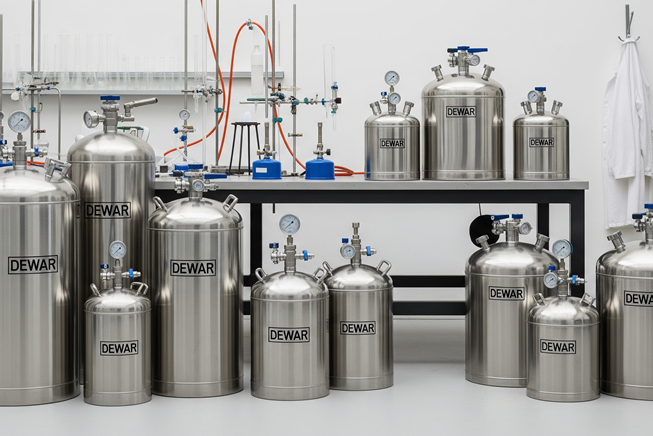
Aluminum Alloys: Like stainless steel, aluminum is a material that can maintain its toughness at low temperatures. Its biggest advantage is that its density is approximately one-third that of steel. This lightness makes it an attractive option, especially for mobile applications where weight is a critical factor. Aluminum alloys may be preferred in cryogenic transport tankers and some specialized laboratory vessels (Dewar vessels). Additionally, its good thermal conductivity makes it a suitable material for some components, such as the vaporizers used in the tank’s pressurization systems.

Carbon Steel: Carbon steel is the most commonly used material for the fabrication of the outer tank. Since the outer tank is not exposed to cryogenic temperatures, low-temperature toughness is not a primary requirement. Carbon steel is an ideal and economical solution for the outer shell due to its high strength, easy workability, and, most importantly, its much lower cost compared to stainless steel. It perfectly fulfills the outer tank’s primary duties of providing structural support and protecting the vacuum jacket. The outer surface is covered with industrial paint systems to provide corrosion protection. This bimetallic structure (stainless steel inside, carbon steel outside) is the key to providing a cost-effective storage solution without sacrificing performance.

Piping, Valves, and Safety Equipment

A cryogenic storage tank is a dynamic system, far more than a static vessel. It is equipped with a complex network of piping, valves, and instrumentation to fill, empty, control pressure, and measure the level of the liquid inside. This entire system is gathered in an easily accessible area, often called the “operation panel” or “operation cabinet,” usually located at the bottom of the tank. This piping and these valves are also exposed to cryogenic liquid, just like the inner tank, and are thus made of austenitic stainless steel resistant to low temperatures.

Safety is the highest priority in the design of these systems. Gas that continuously evaporates due to heat leakage constantly increases the pressure inside the tank. Failure to safely vent this pressure can lead to catastrophic consequences. Therefore, every cryogenic storage tank is equipped with a multi-layered safety system:

  • Safety Valves: Mechanical valves that open automatically when the tank pressure exceeds a predetermined level (MAWP – Maximum Allowable Working Pressure), venting the excess gas to the atmosphere. They are generally found in a dual configuration so that if one fails, the other takes over.
  • Bursting Discs (Rupture Discs): A single-use, last-resort safety element that breaks at a specific pressure, allowing the complete emptying of the tank in the extreme event of safety valve failure.
  • Emergency Stop Buttons: Systems that enable operators to manually shut down the system in a dangerous situation.

This integrated approach ensures that cryogenic storage tanks are highly safe and reliable systems, and we guarantee that every tank produced by Cryo Tanx includes these vital components at the highest quality standards.

Solutions for Industrial Needs: Why Cryotanx?

When searching for a cryogenic storage tank in the market, the decision-making process should involve much more than just technical specifications and a price tag. It is a strategic infrastructure investment that directly affects a business’s operational efficiency, safety, and long-term profitability. At this point, the question “Why Cryotanx?” requires understanding our business philosophy, our unwavering commitment to quality, and the concrete economic benefits we provide to our customers, beyond just the product we offer. As Cryotanx, we see ourselves not merely as a tank manufacturer, but as a technology partner that understands our customers’ most complex storage challenges and provides them with tailored solutions. Our success is based on our ability to not only manufacture standard-compliant, reliable, and high-performance tanks but also to respond flexibly to the unique needs of each customer and offer them an investment that will create value for years. This approach is the most important factor that distinguishes us in the sector and forms the foundation of our customers’ trust in us.

Customer-Centric Design and Manufacturing Philosophy

Our core philosophy at Cryotanx is based on the “one size does not fit all” principle. We are aware that every industry, every facility, and every process has its own unique requirements, constraints, and objectives. Therefore, instead of offering our customers standard product catalogs, we work in close cooperation with them to design and manufacture “tailor-made” solutions that best suit their needs. This process begins with a deep understanding of the customer’s operation. We carefully analyze all variables, such as the type and purity requirement of the cryogenic liquid to be stored, the optimum storage capacity to be determined based on daily or monthly consumption, the operating pressure required by the process, and the physical conditions of the installation site (preference for vertical or horizontal installation, space constraints). As a result of this analysis, we design a flexible and scalable system that not only meets current needs but also considers future growth potential. For example, for a food processing plant, hygienic design and easy cleanability (CIP/SIP systems) may be a priority, while for an electronics manufacturing facility, ultra-high purity gas supply and particle control may be critical.

The Cryotanx engineering team has the ability to customize piping systems, valve configurations, and instrumentation to meet these varying requirements. This customer-centric approach ensures that the purchased tank becomes a smooth and efficient part of the production process, not just a piece of equipment.

Commitment to Quality and Safety Standards

Cryogenic storage tanks are, by their nature, equipment with high risk potential. The only way to manage these risks and ensure absolute safety is to adhere strictly and uncompromisingly to the most stringent internationally accepted quality and safety standards. For Cryotanx, compliance with standards is not a marketing slogan but the cornerstone of our manufacturing philosophy. Every tank we produce undergoes rigorous quality control procedures at every stage of production, from the design phase to material selection, welding processes, non-destructive examinations, and final tests. Our tanks are designed and manufactured in accordance with the most respected global standards in the pressure vessel field, such as ASME (American Society of Mechanical Engineers) and EN (European Norms) codes, depending on the requirements of the application and geographical region. For example, a tank produced for the European market meets all the requirements of the Pressure Equipment Directive (PED 2014/68/EU) and the related EN 13458 standard, while for North America or other regions, it is produced according to ASME Section VIII rules. Our mobile storage solutions strictly comply with all additional safety and design rules applicable to road (ADR), rail (RID), and sea (IMDG) transport. This commitment to standards is more than just a legal obligation; it is an assurance we offer to our customers. When they purchase a Cryotanx tank, they know they are getting not only a high-performance product but also a tested, certified, and documented system that protects life and property at the highest level.

Total Cost of Ownership (TCO) Optimization and Return on Investment

A smart investor does not measure the value of an asset solely by looking at its price tag. The true cost is the total of all expenses incurred throughout the asset’s entire life cycle. This concept, known as Total Cost of Ownership (TCO), includes not only the initial purchase cost but also costs for installation, operation, energy consumption, maintenance, repair, product losses, and even disposal at the end of its useful life.

At Cryotanx, we ensure our customers make the most profitable long-term investment by manufacturing tanks designed to offer the lowest TCO. A tank that appears cheaper at first glance can actually be a trap full of hidden costs. Low-quality insulation leads to higher “boil-off” rates, meaning continuous product and money loss. Non-durable materials and poor workmanship cause frequent failures, costly repairs, and, worst of all, unplanned shutdowns that halt production.

Cryotanx tanks reverse this equation. Our superior insulation technology minimizes the “boil-off” rate, directly reducing operating costs. The high-quality materials and robust engineering we use ensure our tanks operate flawlessly for years, minimizing maintenance and repair expenses. This means that a Cryotanx tank is not an “expense item,” but a smart “investment” that pays for itself through operational efficiency and reliability, providing a net profit to the business. We establish a partnership with our customers that aims for their operational excellence and financial success, rather than just a supplier-buyer relationship.

VItal Role in Medicine and Healthcare: Liquid Oxygen (LOX) Storage

Cryogenic storage tanks are the invisible yet indispensable part of modern medicine and healthcare. Especially for hospitals, clinics, and research laboratories, this technology plays critical roles across a wide spectrum, from delivering life-saving treatments to conducting research that shapes the future of medicine. At the forefront of these applications is liquid oxygen (LOX) storage, which is vital for uninterrupted respiratory support. While the logistical difficulties and limited capacity of traditional high-pressure gas cylinders are inadequate to meet the needs of a large hospital, a single cryogenic storage tank can safely and efficiently contain days’ worth of oxygen. Beyond this, the science of cryogenics enables minimally invasive procedures like cryosurgery, which has revolutionized cancer treatment, and facilitates genetic research and procedures like organ transplantation by allowing biological samples to be stored for decades without degradation. As Cryotanx, we are proud to offer storage solutions that meet the sensitive and vital needs of the healthcare sector, adhering to the highest safety and purity standards.

Uninterrupted Oxygen Supply for Hospitals and Intensive Care Units

The lifeblood of a hospital, especially critical units like operating theaters and intensive care units, is an uninterrupted and reliable oxygen supply. Traditionally, this need was met with heavy and cumbersome high-pressure gas cylinders. However, this method involves significant disadvantages such as continuous cylinder replacement, complex logistics, high labor costs, and limited storage capacity. Cryogenic storage tanks offer a definitive solution to these problems. A central liquid oxygen (LOX) tank installed on a hospital campus stores oxygen in a liquid state at −183

C, providing an enormous volume advantage. A single tank can hold an amount of oxygen equivalent to thousands of gas cylinders, allowing the hospital to have a several weeks’ or even months’ supply of oxygen. From this central storage system, gaseous oxygen is distributed to all patient rooms, operating theaters, and intensive care units through the facility’s pipelines with a continuous and stable pressure. This system not only increases operational efficiency and reduces costs but also plays a vital role in patient safety by guaranteeing the hospital’s oxygen supply security during emergencies and natural disasters. Therefore, cryogenic LOX tanks are not a luxury but a fundamental infrastructure necessity for modern healthcare facilities.

Cryosurgery (Cryoablation) and Biological Sample Storage

The role of cryogenic technology in medicine extends far beyond oxygen storage, actively revolutionizing treatment and research. One of these areas is cryosurgery or cryoablation, also known as “tumor freezing therapy.” In this minimally invasive technique, specialized needle-like probes (cryoprobes) are inserted directly into the cancerous tissue under ultrasound or Computed Tomography (CT) guidance. Then, high-pressure argon gas is passed through these probes. As the argon gas rapidly expands at the tip of the probe, its temperature drops suddenly due to the Joule-Thomson effect, creating an ice ball around the tumor that reaches temperatures between −80

C and −150

C. This freezing cold destroys the cancer cells by rupturing their membranes and blocking blood vessels. The procedure is generally performed under local anesthesia and is an alternative to traditional surgery that is less painful, has a faster recovery time, and causes less damage to surrounding tissues. It is an especially promising treatment option for cancers where surgery is risky, such as liver, kidney, lung, and prostate cancers. Another critical cryogenic application in medicine is the storage of biological materials. Valuable biological samples such as stem cells, sperm, eggs, embryos, blood products, and tissue samples must be preserved for many years without losing their properties. The only technology that makes this possible is freezing these samples at the stable −196

C temperature of liquid nitrogen, halting all biological activity. For this procedure, specially designed cryogenic storage tanks (Dewar vessels) filled with liquid nitrogen are used in laboratories and biobanks. In this way, materials vital for future treatments, research, or IVF procedures can be safely protected for decades.

The Backbone of Industry: Industrial Gas Storage Solutions

If the medical sector represents the most human face of cryogenic technology, the industrial sector is its economic engine and widest application area. Almost every branch of modern industry, from metal processing to electronics, chemical production to energy, relies on industrial gases (nitrogen, oxygen, argon, carbon dioxide, etc.) at some point in their operations. The safe and economic provision of these gases in large quantities is vital for the efficiency and continuity of production processes. This is where cryogenic storage tanks take on the role of the industrial backbone. The enormous volume advantage provided by storing gases in a liquid state allows factories and production facilities to keep the massive amount of gas they need on-site, continuously available. This is not just a logistical convenience but also a production strategy. Especially Liquefied Natural Gas (LNG), which has revolutionized the energy sector, and the applications of liquid argon and nitrogen, which are indispensable for high-tech production, clearly demonstrate the central role of cryogenic storage technology in industrial development.

The Future of the Energy Sector: Liquefied Natural Gas (LNG) Storage and Transportation

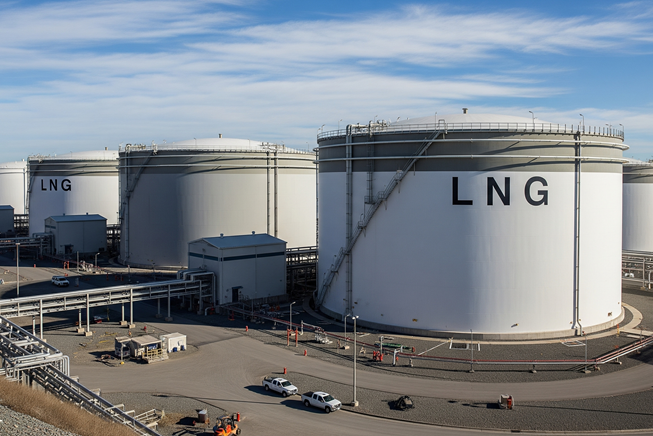
As the energy world undergoes a transition toward cleaner and more flexible sources, Liquefied Natural Gas (LNG) stands out as one of the key players in this transformation. When natural gas is cooled to −162

C at atmospheric pressure, it turns into a colorless, odorless, and non-toxic liquid and is named LNG. The most striking result of this conversion is that the volume of the gas shrinks by approximately 600 times. This simple physical phenomenon has redrawn the global energy map. Traditionally, natural gas was a geographically limited energy source that could only be transported via massive pipelines. However, LNG technology has turned natural gas into a global commodity that can cross oceans and be transported on roads and railways. Cryogenic storage and transport tanks are at the center of this revolution. The entire logistical chain, from the insulated tanks of enormous LNG ships to the large storage facilities at power plants and the truck tankers transporting gas to industrial users, relies on these specialized tanks that can safely maintain LNG at −162

C. The removal of impurities such as water, carbon dioxide, and heavier hydrocarbons from natural gas during the liquefaction process makes LNG a cleaner and higher-energy fuel than pipeline gas. With these features, LNG offers both a more efficient source for electricity generation plants and a greener alternative to diesel fuel for heavy-duty vehicles and ships. Consequently, cryogenic storage tanks are not merely a storage tool but a key technology that enables the transition to a cleaner energy future.

Metallurgy and Electronics: Liquid Argon (LAR) and Nitrogen (LIN) Applications

The sensitive and complex processes of high-tech manufacturing industries often require special atmospheric conditions. Cryogenically produced and stored gases play a critical role in providing these conditions. In the metallurgy sector, especially during the production, melting, and welding of high-quality metals such as steel, aluminum, and copper, the oxidation and quality reduction of the metal due to reaction with oxygen and moisture in the air is an undesirable situation. Liquid argon (LAR) is used to solve this problem. Argon is an extremely inert gas. Liquid argon drawn from cryogenic storage tanks is vaporized and directed to the welding or melting area, where it displaces the air, creating a protective atmosphere around the metal. This results in cleaner, stronger, and defect-free weld seams and higher-quality metal products. Similarly, the electronics industry is also heavily dependent on cryogenic gases, particularly liquid nitrogen (LIN). The production of semiconductors (chips) is carried out in extremely clean and controlled environments (clean rooms). Since nitrogen is an inert gas like argon, it is used to prevent unwanted chemical reactions during production processes. Furthermore, liquid nitrogen is used as a coolant during the testing of electronic components to prevent overheating and to evaluate their performance under different temperature conditions. These applications show that cryogenic storage tanks are not just for storing raw materials but are also an indispensable tool that directly affects quality and efficiency in the most sensitive production processes of modern industry.

Freshness and Quality in the Food Industry: Cryogenic Freezing and Cooling

The food industry is constantly seeking innovative technologies to maximize product quality, freshness, and shelf life. Cryogenic technologies, particularly in freezing and cooling processes, answer this quest by offering revolutionary advantages compared to traditional methods. Cryogenic freezing, using liquid nitrogen (LIN) (−196

C) or liquid carbon dioxide (LCO2) (dry ice at −78.5

C), allows food to be frozen in seconds or minutes. This extraordinary speed is the key to preserving food quality. During the slow freezing process that takes hours in traditional mechanical freezers, the water in the food cells freezes slowly, creating large, sharp ice crystals that rupture the cell membranes. When the food is thawed, water leaks from these ruptured cells, leading to a loss of the product’s texture, flavor, and nutritional value.

In cryogenic freezing, the temperature drops so rapidly that the water does not have time to form large crystals. Instead, microscopic ice crystals are formed inside and outside the cell, which do not damage the cell structure. Consequently, the thawed product is much closer to its pre-frozen freshness, texture, color, and flavor. This method forms the basis of Individually Quick Freezing (IQF) technology, especially for sensitive fruits like strawberries, seafood like shrimp, and high-quality meat products.

Quick Freezing (IQF) and Shelf Life Extension Techniques

Cryogenic cooling and freezing technology is used not only for freezing the final product but also for controlling temperature at various stages of the food processing chain. This increases production efficiency as well as product quality and food safety. For example, during the mixing, kneading, or grinding of foods like ground meat, sausage batter, or bakery products, the temperature rises due to mechanical friction. This temperature increase can both accelerate microbial growth and negatively affect the product’s texture and flavor. Systems like the CRYO INJECTOR CB3, developed by Air Liquide, offer an elegant solution to this problem. These systems inject a controlled amount of liquid nitrogen (LIN) or liquid carbon dioxide (LCO2) directly into the product during processing, through special nozzles mounted at the base of the mixer or grinder. This instantaneous cooling precisely maintains the process temperature at the desired level, slows down bacterial growth, preserves product freshness, and shortens mixing times, thereby increasing production capacity. Similarly, systems like the CRYO SNOW UNIT use liquid carbon dioxide to produce “dry ice snow” on-site, and this snow is sprayed over products that need cooling (e.g., chicken products in transport crates). These methods are fed by cryogenic storage tanks and enable the food industry to extend shelf life and maximize food safety without compromising product quality. This is the most concrete proof that cryogenic storage is not just a storage solution but also a quality enhancement technology.

Aerospace Industry: Rocket Fuel Storage

Humanity’s dream of reaching the depths of space fundamentally relies on a single engineering problem: generating the immense thrust required to escape the Earth’s gravity. Rocket science is the quest to find the most energy-efficient fuels and store them in the lightest possible way. The answer to this quest lies in cryogenic technology. The most powerful and efficient chemical fuel combination used in space rockets is liquid hydrogen (LH2) and liquid oxygen (LOX). Liquid oxygen (the oxidizer) enables the fuel to burn, while liquid hydrogen (the fuel) is the substance with the highest known specific impulse, meaning it produces the most thrust per unit mass. However, achieving this superior performance comes at a cost: these two elements can only remain in a liquid state at extremely low cryogenic temperatures. Liquid oxygen boils at −183

C, and liquid hydrogen boils at −253

C, a temperature very close to absolute zero. This means that launching a rocket is essentially managing a colossal flying cryogenic storage system. The rocket’s massive external fuel tanks are engineering marvels at the pinnacle of insulation and material science, safely storing these freezing liquids until the moment of launch and then pumping thousands of liters into the engines in seconds.

High Thrust with Liquid Hydrogen (LH2) and Liquid Oxygen (LOX)

One of the most important factors determining a rocket’s performance is the Tsiolkovsky rocket equation. This equation states that the final velocity a rocket can achieve depends on the exhaust velocity (specific impulse) of its fuel and the ratio of the rocket’s initial (full) mass to its final (empty) mass (mass ratio). The liquid hydrogen (LH2) and liquid oxygen (LOX) combination excels in both areas. LH2 has the highest energy content among chemical fuels and, therefore, the highest exhaust velocity. Since it is also the lightest element in the universe, the fuel itself is light. This improves the rocket’s overall mass ratio and allows it to carry more payload into orbit. Powerful launch systems such as Europe’s Ariane 5 rocket and NASA’s legendary Space Shuttle relied on massive cryogenic fuel tanks to achieve this performance. For example, the Space Shuttle’s iconic orange external fuel tank actually consisted of two separate inner tanks: a smaller tank carrying about 630,000 kg of LOX at the top, and a much larger tank carrying about 106,000 kg of LH2 at the bottom. The fact that the majority of the tank was dedicated to hydrogen is due to the liquid’s very low density. While forming the structural backbone of the rocket, these massive tanks also had to protect the extremely cold liquids inside from the tropical temperatures at the launchpad and the aerodynamic heating during atmospheric ascent. This represents the most extreme and demanding application of cryogenic storage tanks and is both a source of inspiration and an engineering peak to be reached for firms like Cryotanx.

Hazards of Cryogenic Liquids and Safety Precautions

As indispensable as cryogenic storage tanks and the liquids they contain are for modern industry and medicine, they can be equally dangerous if not managed correctly. The immense benefits of this technology bring with them serious responsibilities. At Cryotanx, we adopt safety not as a product feature but as a culture. This culture begins with transparently understanding the risks and taking the most effective precautions against them. The main dangers of cryogenic liquids stem from their most obvious characteristics: their extremely low temperatures and their massive expansion ratio when they change from liquid to gas. These two characteristics pose serious risks, such as cold burns, asphyxiation, explosion due to overpressure, and material damage if correct procedures and protective equipment are not used. Therefore, it is vital that all personnel working with cryogenic systems are aware of these dangers and take all necessary safety measures. Safety is not ensured only by a well-designed tank; it is a holistic approach that includes proper training, correct operating procedures, and preparedness for emergencies.

Cold Burns, Tissue Damage, and Necessary First Aid

The most obvious and immediate danger of cryogenic liquids is their extreme coldness. Direct contact of a liquid like liquid nitrogen (−196

C) or liquid oxygen (−183

C) or the extremely cold gases vaporizing from them with the skin or eyes causes severe tissue damage known as a “cold burn” or “frostbite.” This situation is as dangerous as a thermal burn from touching a hot object. At the moment of contact, the water in the skin and underlying tissues instantly freezes, cell membranes rupture, and blood circulation stops. This results in tissue death. The skin may turn gray or white and may blister. Correct first aid intervention is critical in such an exposure situation.

The following should be done:

  1. Contaminated clothing should be removed immediately.
  2. The affected area should be washed with plenty of lukewarm water (never hot water) for at least 15 minutes to gently restore blood circulation.
  3. The frozen area should never be rubbed or massaged, as this can cause further damage to the frozen tissues.
  4. If there is severe tissue freezing or blistering of the skin, the patient should be taken to the nearest healthcare facility immediately. Preventing such accidents relies on the use of the correct Personal Protective Equipment (PPE).

Risk of Asphyxiation and Ventilation in Confined Spaces

Perhaps the most insidious danger of cryogenic liquids is the risk of asphyxiation. Except for oxygen, cryogenic gases like nitrogen and argon are non-toxic, but when they leak into a confined or poorly ventilated area, they displace the oxygen in the air. Since these gases are colorless and odorless, a dangerous drop in the oxygen level in the environment (below 19.5%) may go unnoticed. This situation becomes even more dangerous due to the massive expansion of the liquids as they turn into gas. For example, the vaporization of just one liter of liquid nitrogen produces approximately 700 liters of nitrogen gas. Even a small leak can rapidly reduce the oxygen concentration in a confined room to levels that can cause asphyxiation. Therefore, excellent ventilation is an absolute necessity in areas where cryogenic storage tanks and these liquids are used. Before entering such areas, especially if a leak is suspected, the oxygen level in the environment must be measured with a portable gas detector. A cryogenic liquid vessel should never be transported in a closed vehicle such as a car or van, as even a small leak could be fatal to the driver or passengers.

Risks of Overpressure and Material Embrittlement

Every cryogenic storage tank combats a continuous physical process within it: heat leakage. No matter how perfectly insulated, some heat inevitably leaks into the tank from the outside environment. This heat causes the liquid to vaporize slowly but continuously. This vaporization leads to a constant increase in pressure (self-pressurization) inside the tank, which is a closed vessel. If this pressure is not vented in a controlled manner by systems like safety valves, it can exceed the tank’s design pressure, causing it to explode catastrophically. Therefore, regularly monitoring the tank’s pressure gauges and ensuring that the safety systems are working is vitally important. Another significant risk is material embrittlement. As previously mentioned, incorrect material selection can cause the material to fracture suddenly at cryogenic temperatures, leading to a loss of the tank’s integrity. This risk applies not only to the tank itself but also to other structures where cryogenic liquids might spill. For example, contact of an LNG leak with an ordinary steel ship deck can cause the deck to instantly become brittle and fracture. The management of these risks is possible through correct engineering, correct material selection, and compliance with strict standards.

Personal Protective Equipment (PPE) Requirements

Ensuring the safety of personnel when working with cryogenic liquids begins with the correct selection and use of Personal Protective Equipment (PPE). This equipment is specially designed to protect workers from cold burns, liquid splashes, and other potential hazards.

Standard industrial safety equipment is insufficient and even dangerous for these conditions. The basic PPE that must be used when working in cryogenic environments includes:

  • Eye and Face Protection: It is essential to use a full face shield over chemical goggles to provide complete protection against liquid splashes. Standard safety glasses alone are not sufficient.
  • Cryogenic Gloves: These gloves are made from special materials to provide insulation against extreme cold. They should be loose-fitting to prevent liquid from pooling inside the glove in case of a splash and to allow for rapid removal. It should be remembered that these gloves are not designed for immersion in liquid. Oily or greasy gloves should never be used, especially when working with liquid oxygen, as this creates a fire hazard.
  • Protective Clothing: Coveralls or laboratory coats with long sleeves, no pockets, and no cuffs should be worn to protect the skin from splashes. Pant legs should always be draped outside the boots or shoes to prevent liquid from running inside the footwear.
  • Footwear: Closed and sturdy safety shoes should be worn. The use of this PPE is mandatory in all procedures involving the handling of cryogenic liquids (filling, emptying, sampling, etc.) and forms the foundation of a safe working environment.
Type of Hazard Potential Consequence Preventive Measures (Engineering and Administrative) Required Personal Protective Equipment (PPE) Emergency / First Aid
Cold Burn / Frostbite Severe tissue damage, cell death, amputation. Use splash guards, safe operating procedures, personnel training. Cryogenic gloves, full face shield, long-sleeved clothing, pants draped outside footwear. Wash the affected area with lukewarm water (not hot), do not rub, seek medical attention.
Asphyxiation (Excluding Oxygen) Loss of consciousness, death due to oxygen deficiency. Work in well-ventilated areas, measure oxygen level before entering confined spaces, leak detectors. Self-Contained Breathing Apparatus (SCBA) if required (emergency, rescue). Immediately move the victim to fresh air, perform artificial respiration, call emergency medical help.
Overpressure Violent explosion of the tank or closed system, shrapnel effect. Engineering controls like pressure relief valves, rupture discs, regular pressure monitoring, never trap liquid in closed sections. Standard occupational safety equipment (helmet, goggles, safety shoes). Evacuate the area immediately, notify authorities.
Material Embrittlement Sudden fracture and loss of integrity of the tank or equipment, leakage. Correct material selection in design (austenitic stainless steel, etc.), protection against spills. Standard occupational safety equipment. Evacuate the area in case of leakage, follow emergency procedures.
Oxygen Enrichment (LOX Leak) Increased fire risk, materials that are normally non-flammable become combustible. Keep away from oil, grease, and other flammable materials, prevent ignition sources, create non-smoking areas. Oil-free gloves and clothing. Cut off the oxygen source, use appropriate fire extinguisher (DCP), cool the tank with water.

** **

International Design and Safety Standards

Cryogenic storage tanks cannot be manufactured based on discretion or estimation due to the potential hazards they contain. The design, fabrication, inspection, and testing of this equipment are governed by highly detailed and strict international standards accepted by engineers, manufacturers, and inspection bodies worldwide. These standards are built upon decades of accumulated engineering knowledge, scientific research, and unfortunately, lessons learned from accidents. Their existence creates a common technical language that guarantees tanks and components manufactured in different countries meet a certain level of safety, quality, and performance. Without this common language, global trade and the spread of technology would not be possible. As Cryotanx, we view these standards not merely as a list of rules to be followed, but as proof of our commitment to providing our customers with the safest and most reliable products. Our proficiency in standards like ASME, EN, ADR, and ISO is fundamental to our ability to compete in the global market and serve customers around the world.

ASME Section VIII and EN 13458: Global Rules for Pressure Vessels

The two main global standards governing the design and fabrication of cryogenic storage tanks are the ASME (American Society of Mechanical Engineers) and EN (European Norms) codes.

ASME Section VIII: Widely accepted, particularly in North America and many parts of the world, this standard is essentially the “bible” for pressure vessels. Its scope is extremely broad, containing detailed rules for material selection, design calculation methods, welding procedures, non-destructive testing (NDT) techniques and acceptance criteria, testing protocols, and certification processes. Section VIII is divided into Divisions 1, 2, and 3 for different pressure levels. Cryogenic tanks are generally designed according to the rules of Division 1. This division lists all the loads that the designer must consider (internal/external pressure, wind, seismic loads, temperature gradients, etc.). A tank bearing the ASME “U” stamp is a universal sign that it has been designed, fabricated, and inspected by an authorized inspector according to these strict rules.

EN 13458: This standard is fully compliant with the European Union’s Pressure Equipment Directive (PED) and is mandatory for cryogenic tanks sold in the European market.

It consists of several sections:

  • EN 13458-1: Defines basic requirements.
  • EN 13458-2: Details the rules for materials, design, and fabrication.
  • EN 13458-3: Covers the rules for the installation and operation of tanks. Although both standards are similar in terms of fundamental safety philosophy, they may differ in areas such as calculation methods, material specifications, and testing requirements. A competent manufacturer like Cryotanx has the capability to manufacture according to either or both of these standards, depending on the requirements of the customer’s project.

Transportation Standards: ADR, RID, IMDG, and ISO Tank Containers

The transportation of cryogenic liquids from one location to another introduces additional risks and requirements compared to stationary storage. Therefore, mobile tankers and containers must comply with international transport regulations specific to their mode of transport, in addition to the pressure vessel standards (ASME/EN) applicable to stationary tanks. These regulations include specific rules for the tank’s design, equipment, labeling, and testing:

  • ADR (Accord Dangereux Routier): European agreement concerning the international carriage of dangerous goods by road.
  • RID (Règlement concernant le transport international ferroviaire des marchandises dangereuses): Regulations concerning the international carriage of dangerous goods by rail.
  • IMDG (International Maritime Dangerous Goods Code): The global standard for the carriage of dangerous goods by sea.

To ensure seamless and efficient logistics between these different transport modes, ISO Tank Containers have been developed. These containers consist of a cryogenic tank mounted inside a steel frame that has standard ISO 668 cargo container dimensions (usually 20 or 40 feet). This standard dimension allows the tank to be easily transferred from ship to train, and from train to truck, without the need for special equipment. ISO tank containers are designed and certified in compliance with all the transport codes mentioned above (ADR, RID, IMDG) and additional standards such as container safety (CSC). This makes them the most flexible and efficient solution in the global trade of cryogenic liquids.